

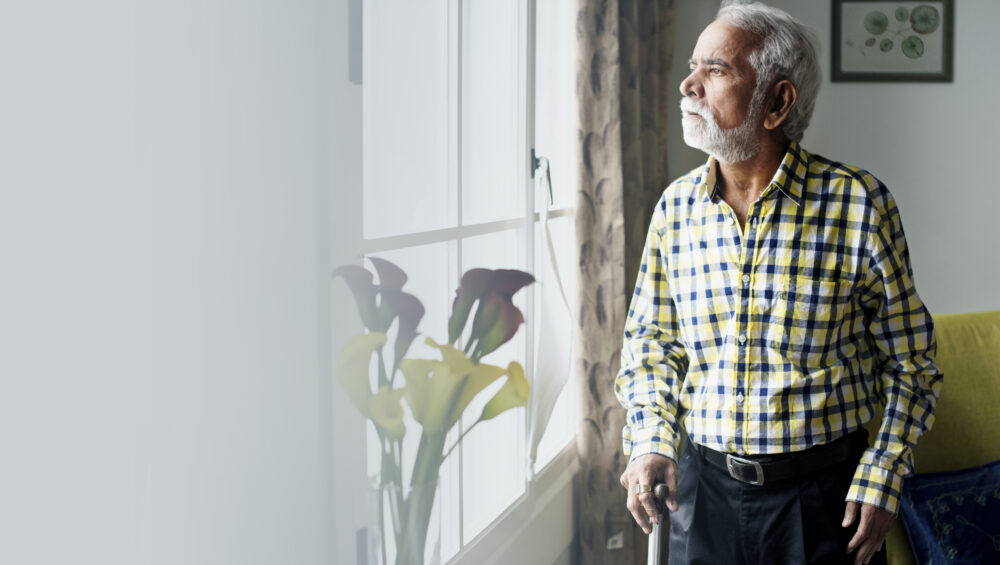
There is a rapid rise in the population of senior citizens in India, with longer life expectancy and increasing urban migration. As families shift from joint ones to nuclear ones and there is an increasing pressure of work commitments, many find it really difficult to give 24/7 care to aging family members. This has led to growing discussions around the benefits and setbacks of old age homes. While such facilities can offer safety, medical support and companionship, they may also come with emotional and financial issues. Understanding both perspectives helps families make more informed decisions for their loved ones.
What Are Old Age Homes?
Old age homes are residential care facilities created for senior citizens who need regular support, health care assistance, or companionship to lead a comfortable life. They offer accommodation, meals, supervision, and access to caregivers, and sometimes specialized services such as physiotherapy, nursing care, or dementia care programs.
Why Families Consider Old Age Homes Today
Families in India consider old age homes for several reasons, including
- Increased work-life pressures and inability to provide full-time care at home
- Chronic illnesses requiring professional medical supervision
- Seniors living alone due to children working overseas or in other cities
- Need for safe and socially engaging environments for aging individuals
- Reduced dependence on a single family caregiver
According to HelpAge India, nearly 70% of elderly Indians suffer from at least one chronic medical condition, making structured caregiving support essential for well-being.
Types of Old Age Homes in India
1. Private Old Age Homes
- Offer premium facilities, private rooms, medical support, and lifestyle activities
- Higher cost but more comfort and specialization
2. Assisted Living Facilities
- Provide help with daily tasks like bathing, mobility, medication management
- Suitable for seniors who require partial support
3. Charitable/Government-supported Homes
- Usually low-cost or free
- Basic amenities, limited medical resources, prioritized for financially weaker seniors
Advantages of Old Age Homes
Understanding the old age homes benefits helps families evaluate whether they are the right fit.
-
Access to Professional Medical & Daily Care
Seniors receive support for medication, mobility, physiotherapy, and chronic diseases such as diabetes or hypertension.
-
24/7 Safety, Security & Emergency Support
Many facilities have CCTV surveillance, trained emergency staff, and on-call doctors.
-
Social Interaction, Companionship & Group Activities
Loneliness is a major concern among older adults in India. Group activities, celebrations, and shared spaces help reduce isolation and depression.
-
Structured Routine for Meals, Medicines & Lifestyle
Scheduled routines improve physical and mental stability, particularly for seniors with dementia or memory issues.
-
Reduced Burden on Family Caregivers
Professional caregiving support helps families share responsibilities without guilt or burnout.
-
Availability of Trained Staff
From nurses and physiotherapists to caregivers and therapists, trained professionals make daily living smoother and safer.
-
Specialized Elder Support
Some facilities offer rehabilitation care, dementia units, and palliative care services tailored to medical needs.
Disadvantages of Old Age Homes
While there are benefits, it’s equally important to understand the disadvantages of old age homes in India.
-
Emotional Impact & Feeling of Abandonment
Some seniors feel neglected or forced into a facility, leading to emotional distress.
-
Lack of Personalized One-to-One Attention
Caregiver-to-resident ratios may limit personalized care, especially in budget homes.
-
High Costs in Premium Homes
Quality private old-age homes can be expensive, making them inaccessible for low-income families.
-
Limited Privacy & Personal Space
Shared rooms and regulated schedules can feel restrictive.
-
Adjustment Challenges
Moving from a long-time home environment into a structured institution can be overwhelming.
-
Variable Quality Across Homes
Lack of standardized regulations means quality, hygiene, and care levels differ widely.
When Does Home Care Become a Better Option?
Home care may be more suitable when:
- Seniors prefer staying in a familiar environment
- Emotional comfort and personal attention are priorities
- A medical condition can be managed with home nursing support
- Family wants to stay closely involved in caregiving
Key Questions to Ask Before Choosing an Old Age Home
- What are the qualifications and background checks of the staff?
- What is the caregiver-to-resident ratio?
- What medical facilities and emergency equipment are available?
- What lifestyle activities and engagement programs are offered?
- What is the monthly cost and are there additional hidden charges?
- What is the visiting policy for family members?
Takeaway
Understanding the pros and cons of old age homes helps families make an informed decision depending on emotional health, safety requirements, and physical needs. With the increase in demand for a good elder care in India. If you are exploring care options for your loved ones, reach out to CFYI for professional guidance.
FAQs
1. Are old age homes a good option for aging parents?
Yes, when medical supervision, safety, companionship, and structured care are needed, old age homes can be very helpful. However, emotional factors should be carefully considered.
2. Why do some seniors hesitate to move to an old age home?
Fear of loneliness, stigma, sudden lifestyle change, and separation anxiety are common reasons.
3. How much does an old age home cost in India?
Costs can range from ₹10,000 to ₹1,50,000 per month depending on the facility type, city, medical care level, and accommodation.
4. Can seniors maintain independence in an old age home?
Yes, many provide freedom of movement, activities, choices in daily routines, and social opportunities.