

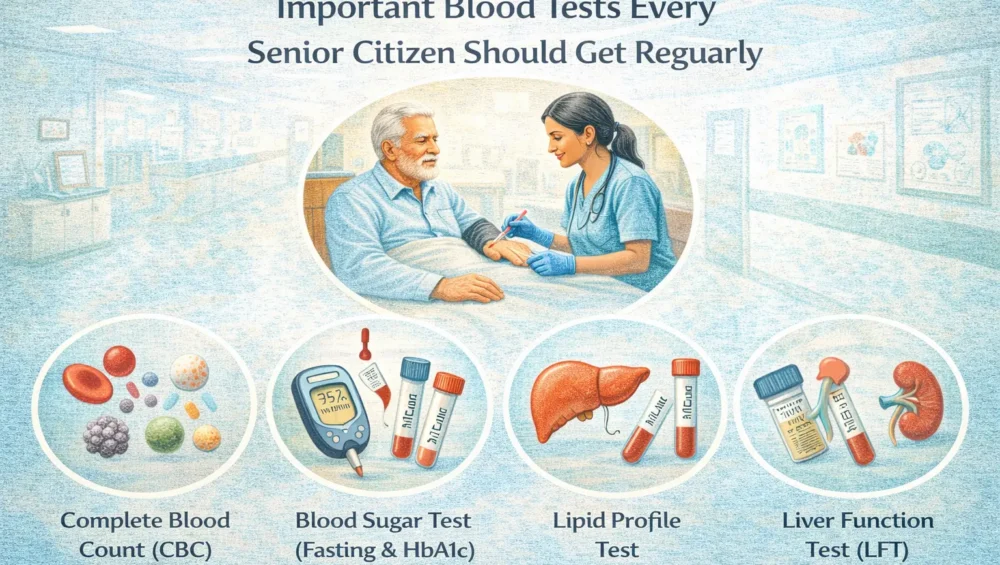
Regular blood tests play an important part in preventive healthcare for senior citizens, helping to identify possible health concerns before they get serious. As a person crosses the age of 60, their body undergoes several physiological changes, which increases the risk of a lot of age-related issues, changing a huge chunk of their lifestyle. When there are routine blood checkups for senior citizens, it doesn’t just ensure peace of mind but also eases proactive management of chronic conditions, which supports a healthy and independent kind of aging.
Why Are Blood Tests Crucial for Senior Citizens?
When a person is aging, there are increasing risks of health-related issues like heart disease, diabetes, hormonal imbalances, and kidney disorders. Many of these diseases show shallow symptoms, which can be caught early by regular preventive blood tests for senior citizens. There are factors like weaker immunity, slower metabolism, and side effects from long-term medication use that further reinforce the need for vigilance. According to WHO India reports and HelpAge India data, “A significant portion of the elderly population lives with at least one chronic health issue, many of which can be managed more effectively with early detection.”
10 Important Blood Tests for Senior Citizens Above 60
An actionable blood test checklist for senior citizens should cover a spectrum of health markers, each one offering insights into a different aspect of well-being.
1. Complete Blood Count (CBC)
- This test helps in the evaluation of red and white blood cells, hemoglobin and platelets
- Helps in the identification of anemia, infections, and underlying illness.
- It also offers the clues about chronic conditions in advanced age.
2. Blood Sugar Test (Fasting & HbA1c)
- Assesses risk for diabetes and monitors glucose levels over time
- HbA1c reflects average blood sugar status for previous 2–3 months
- Timely intervention helps avoid complications like vision loss, neuropathy, and kidney disease
3. Lipid Profile Test
- Measures levels of cholesterol (HDL, LDL), triglycerides
- Indicates heart disease risk and effectiveness of lifestyle or medication control
- High cholesterol and triglycerides call for dietary and medical interventions
4. Liver Function Test (LFT)
- Screens for liver health, especially important with multiple medications or comorbidities
- Measures enzymes such as ALT, AST, bilirubin, and protein levels
- Early detection of hepatic dysfunction prevents cirrhosis and drug toxicity
5. Kidney Function Test (KFT: Creatinine, Urea)
- Assesses kidney filtration capacity, crucial in controlling hypertension, diabetes, and drug side effects
- Indicates the need to adjust medications and dietary salt intake
6. Thyroid Function Test (T3, T4, TSH)
- Identifies underactive (hypothyroidism) or overactive (hyperthyroidism) states, both prevalent in old age
- Symptoms such as fatigue, weight changes, swelling, or depression may signal thyroid problems
7. Vitamin D & Vitamin B12 Test
- Vitamin D aids bone health, immune function, and mood stabilization
- B12 deficiency can cause fatigue, memory issues, and neurological disorders
- Inadequate levels common due to diet and reduced absorption rates in senior citizens
8. Calcium Test
- Monitors bone density, a vital indicator to prevent osteoporosis and fractures
- Low calcium can increase fall risk; supplementation may be advised
9. Electrolyte Panel (Sodium, Potassium, Chloride)
- Detects imbalances that affect nerve, muscle, and heart function
- Ensures safe medication management for chronic diseases
10. PSA Test (Men) / Mammogram & Hormone Tests (Women)
- PSA (Prostate-Specific Antigen) screens for prostate cancer risk in men
- Women may require mammograms and hormone panels to detect breast cancer, thyroid issues, and osteoporosis
- Gender-specific tests support early diagnosis and personalized treatment
How Often Should Senior Citizens Take These Tests?
While clinical guidelines may vary, most doctors recommend the following routine for blood tests to be done for senior citizens:
- CBC, blood sugar, lipid profile, LFT, KFT, and electrolytes: annually
- Thyroid tests, vitamin D, and B12: annual, unless otherwise advised
- PSA for men, mammograms, and hormone tests for women: every 1–2 years or as recommended by a healthcare provider
It’s really important to knit these tests based on a person’s medical history, family diseases, and medical professional’s advice. There needs to be frequent monitoring for those with chronic illness or on particular treatments.
How CFYI (Care For You India) Supports Senior Diagnostics
CFYI understands the gap in preventive health for Indian senior citizens and fills it by offering home-based blood test coordination, reminders, and any support required. For older people facing issues with mobility or those at risk for any chronic illness, CFYI’s regular blood test services make healthcare accessible, tailored, and stress-free.
Partnering with authorized diagnostic labs and prioritizing compassionate communication, CFYI aims to decrease barriers to preventive care. Their trained staff helps with everything from planning tests to analyzing lab numbers, so your loved ones can just focus all their energy on wellness over worry. In an environment where even a small health oversight can cause an escalation quickly, such interventions offer vital safety nets for aging loved ones.
Takeaway
Proactive preventive healthcare is the base of healthy aging. A detailed and tailored blood test plan for senior citizens empowers them to live independently, reducing emergency visits to hospitals and helping them enjoy a better quality of life. With an increasing demand for quality home-based care, divyang individuals, or patients recovering at home. Reach out to CFYI today for personalized, professional senior care at your doorstep.
Common FAQs
Q1. Can routine blood tests really prevent major health issues in old age?
- Yes. Regular screening helps catch silent diseases early, such as diabetes, kidney issues, or anemia, allowing for timely intervention and reducing hospitalizations.
Q2. How do I decide which tests my parent should get if they do not have any symptoms?
- The recommended blood test checklist for senior citizens is designed for preventive care, not just symptomatic treatment. Starting with annual CBC, blood sugar, lipid profile, KFT, and thyroid tests along with vitamin and gender-specific checks, is a safe approach; consult your physician for personalized advice.
Citations
- 1mg: Senior Citizen Health Checkup with Smart Report
- Pathkind Labs: Top 10 Blood Tests for Older Adults
- Lal Path Labs: 7 Important Tests for Men Age 60 and Older
- Care24: Understanding the Senior Health Check-Up