

Introduction
What comes to your mind while talking about someone turning 60? It’s generally thinking about retirement and putting up brakes on the fast life, right? Which isn’t entirely true; life after 60 can be really meaningful without even losing on one’s independence because that’s actually the time when they get to explore the passions and hobbies they buried during their busy phase full of responsibilities. Being healthy is very much likely possible, enduring old connections along with making new ones and following up on hobbies.
There is a high possibility that all this can be true even after 60. With the healthcare sector in India advancing, there are good chances of longer life expectancy, which also increases the opportunities for the elderly to be healthy.
Health just doesn’t mean avoiding illness, especially after 60; it’s about maintaining the physical strength, emotional state of mind, and social connections. This can be done by bringing healthy habits into your lifestyle, periodical medical check-ups, and required care and also bringing in support systems to help the elderly live a healthy and confident life.
Key Habits for a Healthy Life After 60
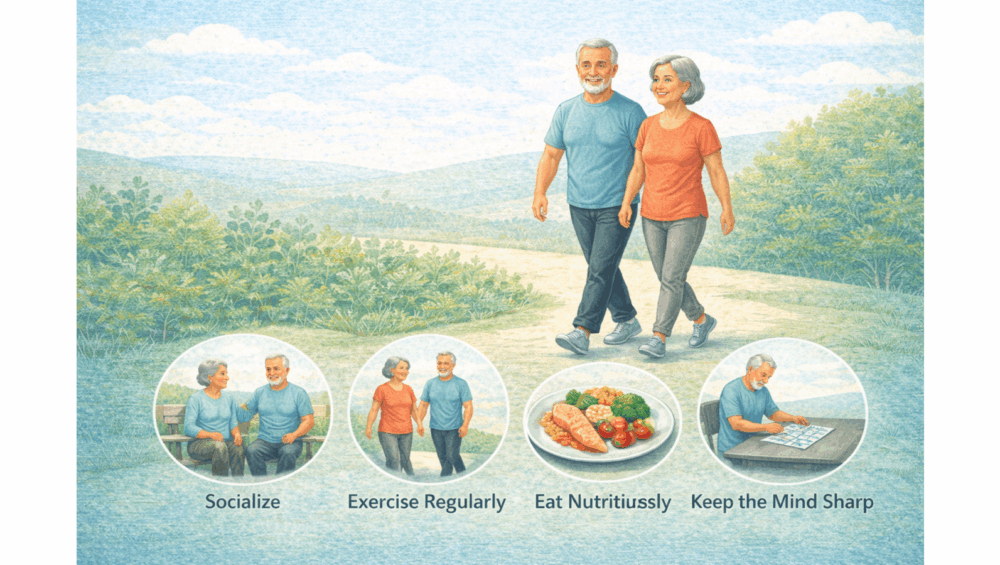
There are subtle lifestyle changes that can better the quality of life; these healthy habits can help the seniors to stay independent and fit even after 60
Stay Physically Active
Light physical activity on a daily basis will be beneficial for mobility, keeping the muscles strong and the senior healthy and independent.
Some simple activities include:
- Taking short walks daily
- Little bit of stretching exercises
- Breathing exercises
These activities improve heart health, balance, and flexibility—important factors in how to stay active after 60.
Eat Balanced and Nutrient-Rich Meals
A nutritious diet supports immunity and helps prevent chronic diseases.
Important dietary elements include:
- Protein-rich foods like lentils, eggs, and paneer
- Fiber from fruits, vegetables, and whole grains
- Calcium for bone health
- Essential vitamins and minerals
Prioritize Regular Medical Checkups.
Preventive healthcare helps detect problems early.
Routine check-ups help monitor the following:
- Blood pressure
- Blood sugar levels
- Bone density
- Heart health
Stay Socially Connected
Maintaining relationships with family and friends is essential for emotional wellbeing.
Social engagement can include the following:
- Visiting relatives or friends
- Participating in community events
- Joining senior citizen groups
Keep Your Mind Active
Mental stimulation keeps the brain healthy and reduces the risk of cognitive decline.
Examples include:
- Reading books or newspapers
- Solving puzzles
- Learning new hobbies
- Using smartphones or technology
Maintain a Safe and Supportive Living Environment
A safe home environment helps prevent accidents and supports independence.
Helpful steps include:
- Installing grab bars in bathrooms
- Ensuring proper lighting
- Keeping frequently used items easily accessible
- Maintaining clutter-free walking spaces
Professional support systems such as CFYI (Care For You India) also help seniors maintain independence through trained caregivers and personalized home support services.
Why Health and Independence Matter After 60
Aging naturally brings certain physical changes, making proactive care extremely important.
Reduced Immunity
As people age, the immune system becomes weaker, making seniors more vulnerable to infections and illnesses.
Higher Risk of Chronic Conditions
Older adults are more likely to experience conditions such as:
- Diabetes
- Arthritis
- Heart disease
- Osteoporosis
Importance of Maintaining Mobility
Mobility allows seniors to perform daily activities independently. Maintaining strength and balance significantly reduces the risk of falls and injuries.
Physical Health Tips to Stay Active After 60
Staying physically active is one of the most important tips for living well after 60.
Recommended activities include:
Walking
Walking is one of the safest and most effective exercises for seniors.
Benefits include:
- Improved cardiovascular health
- Better joint mobility
- Increased stamina
Yoga and Stretching
Yoga is widely practiced in India and is particularly beneficial for older adults.
Benefits include:
- Improved flexibility
- Reduced joint stiffness
- Better breathing and relaxation
Light Strength Training
Maintaining muscle strength helps seniors perform everyday tasks such as climbing stairs or lifting objects.
Benefits include:
- Stronger muscles
- Better posture
- Improved balance
Regular exercise also improves coordination and significantly reduces the risk of falls.
Maintain a Balanced Diet
Nutrition plays a crucial role in maintaining energy levels and preventing disease.
Important Nutrients for Seniors
A healthy diet should include:
- Protein: Supports muscle strength
- Fiber: Helps digestion and gut health
- Calcium: Maintains strong bones
- Vitamins: Supports immunity and overall health
Hydration Matters
Seniors often feel less thirsty, but staying hydrated is essential.
Drinking enough water helps:
- Maintain kidney function
- Prevent fatigue
- Improve digestion
Avoid Excess Sugar and Processed Foods
Highly processed foods may increase the risk of:
- Obesity
- Diabetes
- Heart disease
Instead, seniors should focus on fresh home-cooked meals.
Portion Control
Metabolism slows with age, so eating smaller balanced portions helps maintain a healthy weight.
Get Regular Health Check-ups
Preventive healthcare is essential for maintaining long-term well-being.
Important health screenings include:
- Blood pressure monitoring to detect hypertension
- Diabetes screening to monitor blood sugar levels
- Bone density tests to identify osteoporosis
- Heart health monitoring through ECG and cholesterol tests
Regular medical consultations also help seniors manage medications and maintain overall health.
Mental and Emotional Well-Being After 60
Physical health is important, but emotional wellbeing is equally vital.
Keep Your Mind Active
Mental stimulation helps maintain cognitive function.
Ways seniors can stay mentally active include:
- Reading books or newspapers
- Solving puzzles or crosswords
- Learning new skills such as music or languages
- Using digital tools to communicate with loved ones
Lifelong learning keeps the mind engaged and helps maintain confidence.
Manage Stress and Maintain Positivity
Emotional well-being improves overall health and quality of life.
Helpful practices include:
- Meditation and mindfulness
- Practicing gratitude
- Pursuing hobbies such as gardening, art, or music
- Maintaining regular routines
Having emotional support from family, caregivers, or community members also helps seniors navigate this stage of life positively.
Social Connections and Community Engagement
Strong social connections play a crucial role in healthy aging.
Ways seniors can stay socially active include:
- Staying connected with family and friends
- Participating in senior citizen clubs
- Joining cultural or religious community groups
- Volunteering or mentoring younger generations
Benefits of Social Engagement
- Reduced loneliness
- Better mental health
- Greater sense of purpose and belonging
These interactions contribute significantly to overall happiness and well-being.
Common Challenges People Face After 60
Despite many opportunities, seniors may face certain challenges.
Common issues include:
- Reduced mobility
- Loneliness or social isolation
- Managing medications
- Health anxiety and fear of illness
Support systems, family involvement, and accessible healthcare services can help address these concerns effectively.
Conclusion
Aging comes with its fair share of opinions and misconceptions. Some opinions are the good ones, like life after 60 brings you closer to family, but there are scary ones too, like one loses their independence, which need not be true in all cases. Life after 60 can be just as happy and healthy with the best care and subtle changes in the lifestyle.
These lifestyle changes can start with little exercises, healthy meals, building and maintaining social bonds, and most importantly of all, periodic health check-ups. Such changes can help with a healthy lifestyle even at and after 60. During inculcating these changes, family support is really essential, but it can be hectic for working families, and this is where healthcare services like CFYI come into play. They make aid accessible not just for seniors but also for patients with disabilities so that people can experience healing right at their homes.
FAQs
What is the best way to stay healthy after 60?
Starting with light exercises, medical checkups at normal intervals, having healthy meals, and building up a healthy & safe social environment would really be helpful.
How much exercise should a 60-year-old do?
Most experts recommend at least 150 minutes of moderate physical activity per week, such as walking, yoga, or light strength exercises, depending on individual health conditions.
What foods should seniors eat for better health?
Wholesome food diets are appreciated, like right amount of proteins, fruits, vegetables, healthy fats and foods that are rich in calcium.
How can seniors stay mentally active?
Activities such as reading, solving puzzles, learning new skills, using technology, and participating in discussions or community programs can help keep the brain active.
Why is social interaction important for seniors?
Social interaction reduces loneliness, improves emotional health, boosts cognitive function, and gives seniors a sense of belonging and purpose.
References
- HelpAge India – Ageing in India: Preparedness & Response to Care Challenges (2024 Report)
https://www.helpageindia.org/news/weaad-2024-press-release/
- The report highlights that 54% of elderly people in India suffer from two or more non-communicable diseases and many face challenges with daily living activities.
- Hindustan Times – HelpAge India Report on Financial and Health Challenges Among Elderly
https://www.hindustantimes.com/cities/lucknow-news/40-elderly-don-t-have-any-source-of-income-helpage-india-report-101718394049401.html
- The report reveals that around 40% of elderly people in India have no stable income, emphasizing the importance of supportive systems and healthcare services.
- World Health Organization (WHO) – Ageing and Health in India
https://www.who.int/india/health-topics/ageing
- WHO highlights that India’s elderly population is rapidly growing, making healthy aging and supportive healthcare systems increasingly important.